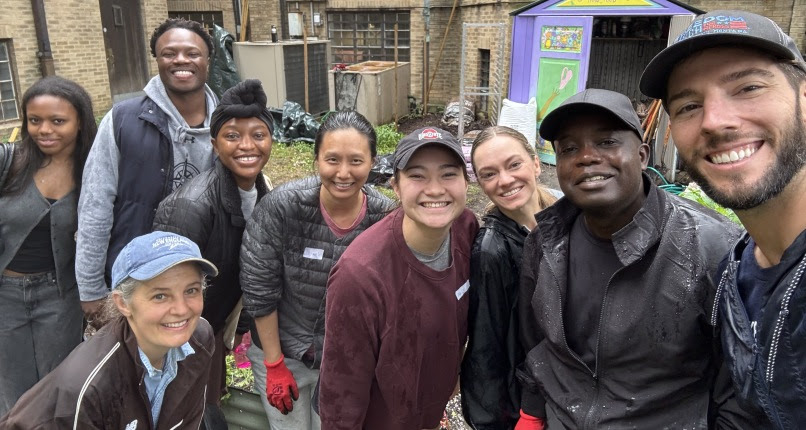
A Collaborative Beginning
In the spring of 2023, FFA’s vision for an urban garden came to life on land provided by Universalist National Memorial Church, and with support from Washington Gas and the Capital Area Food Bank.
Today, the garden serves as both a peaceful refuge and a source of fresh produce for our Food as Medicine clients, as well as the base for our growing gardening outreach into the community.
We thank Emily, our garden specialist, and the many inspired volunteers who have helped bring the joys of nature into the heart of the city.
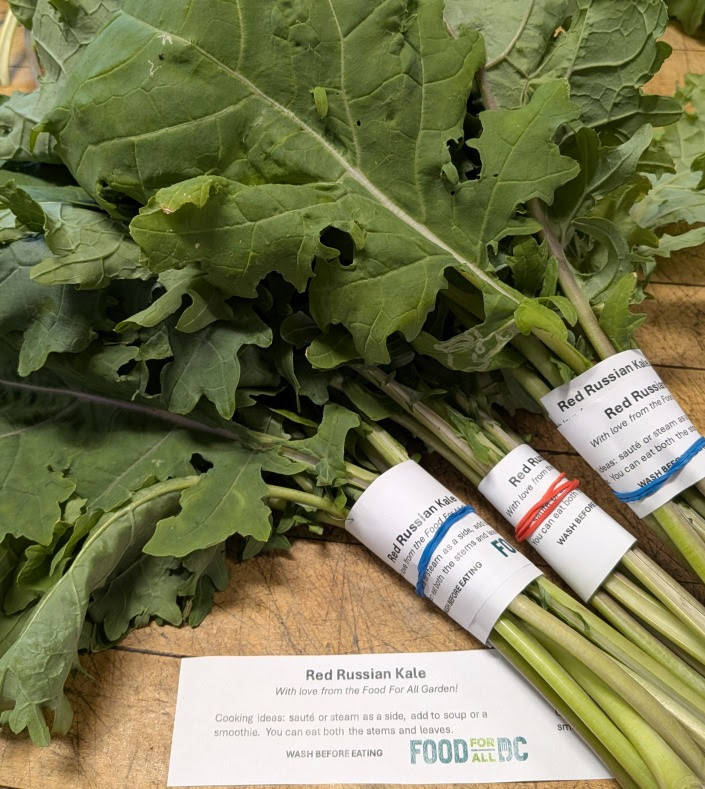
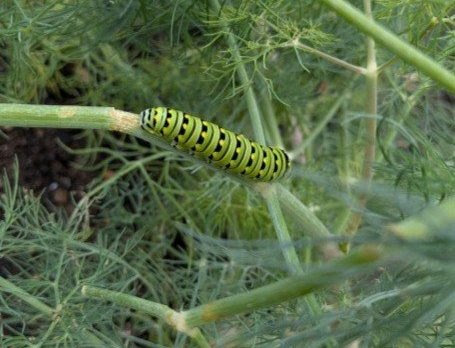
What are Urban Gardens?
Urban gardens are green spaces used to grow plants and food in densely populated areas. They are increasingly popular in cities, including Washington, DC, and can take many forms, from community gardens and rooftop plots to small containers on balconies and windowsills.
Urban gardens can increase access to locally grown food, support pollinators, and contribute to a healthier urban environment. Just as importantly, gardening can support our physical, mental, and social wellbeing.
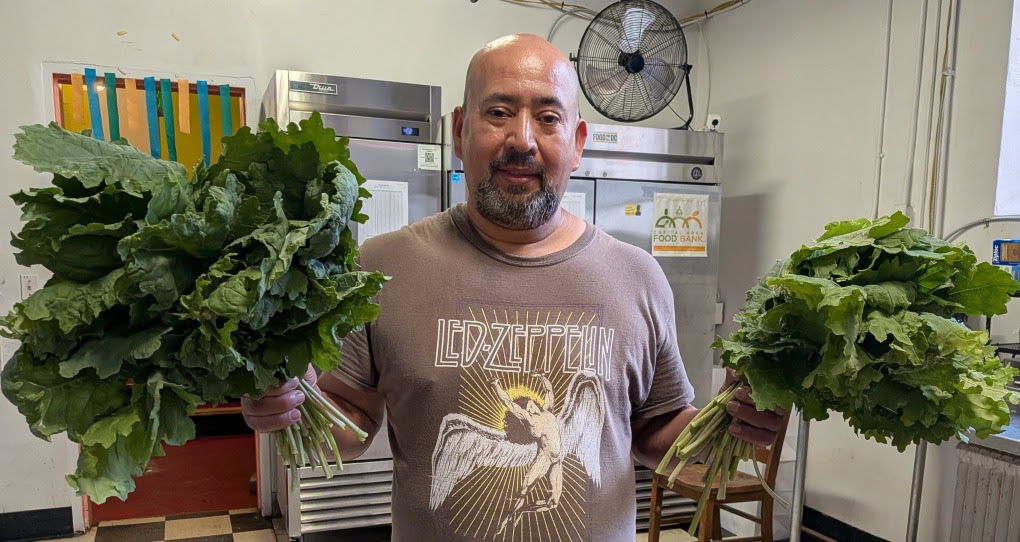
A Community Space
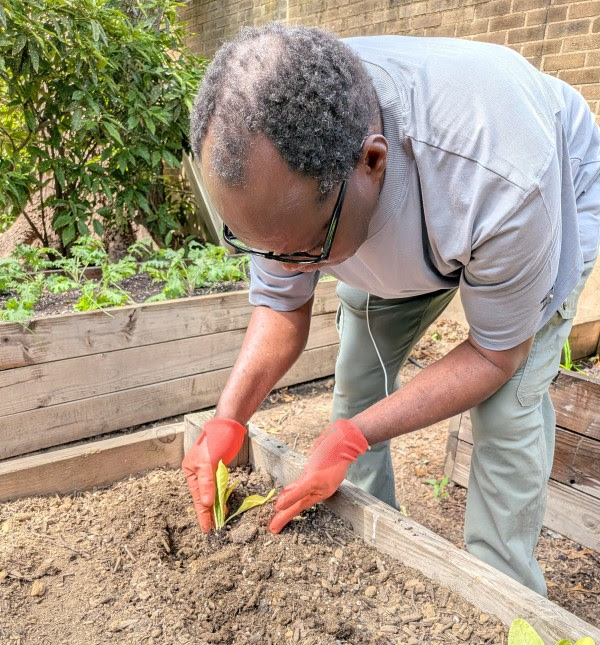
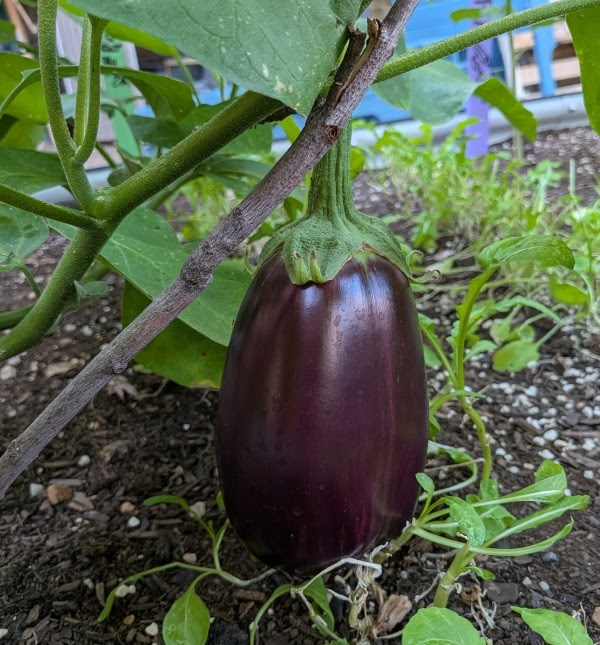
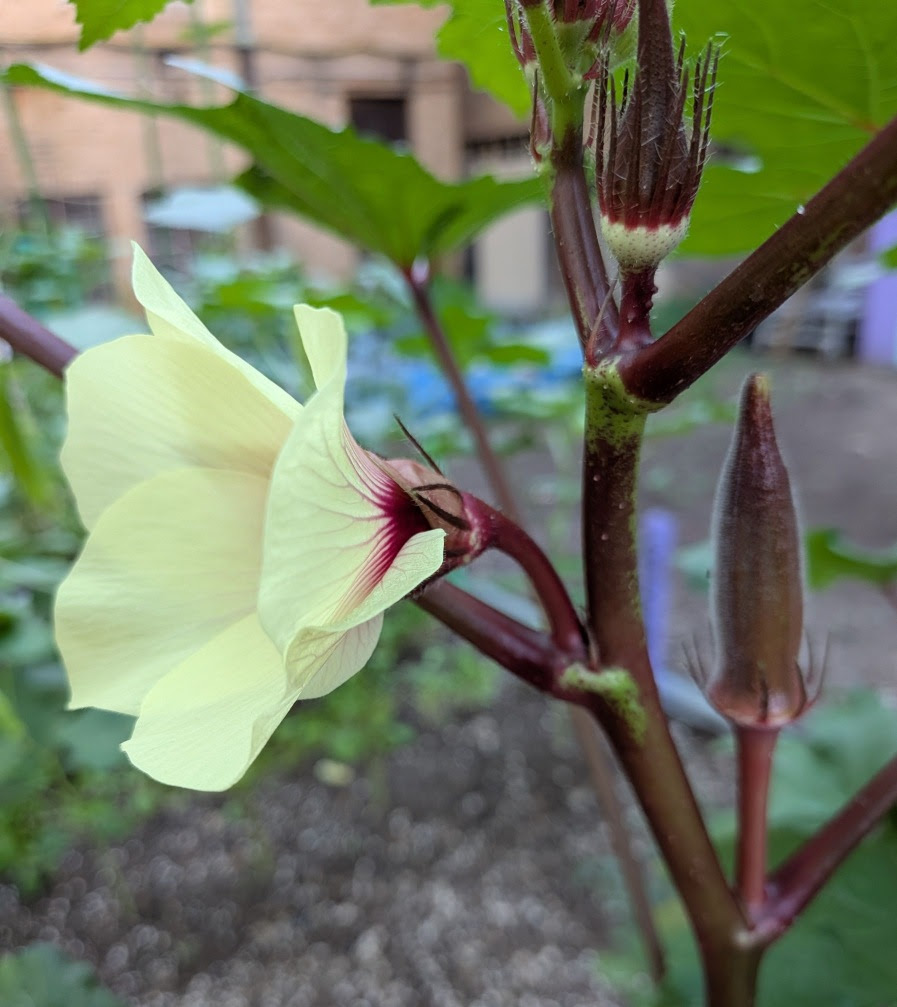
Our Food as Medicine program is personalized to each client, and the garden is no different. George wanted to grow okra and Client F, eggplant, both challenging in our shady courtyard, but with some careful tending, they succeeded. Next year, they hope to add dasheen (taro)! By growing foods that reflect clients’ tastes, traditions, and cultural backgrounds, the garden can make healthy eating more familiar and meaningful.
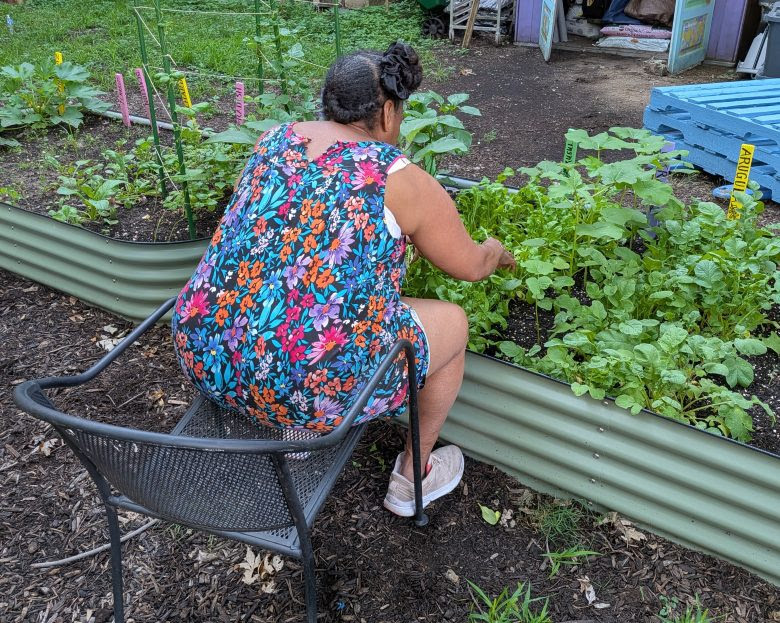
The garden also offers something beyond food: a place for connection and joy. George takes tremendous pleasure in seeing life flourish under his care, while Client F is especially proud of her lemongrass plants.
Gardening at Home
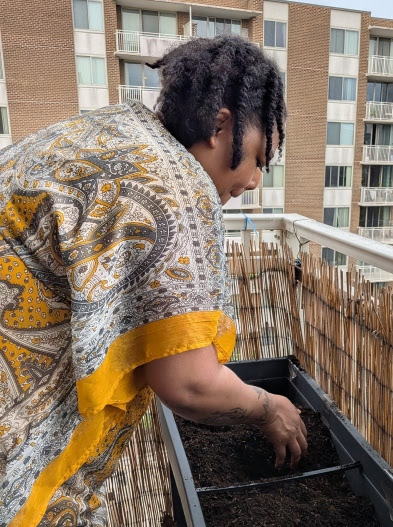
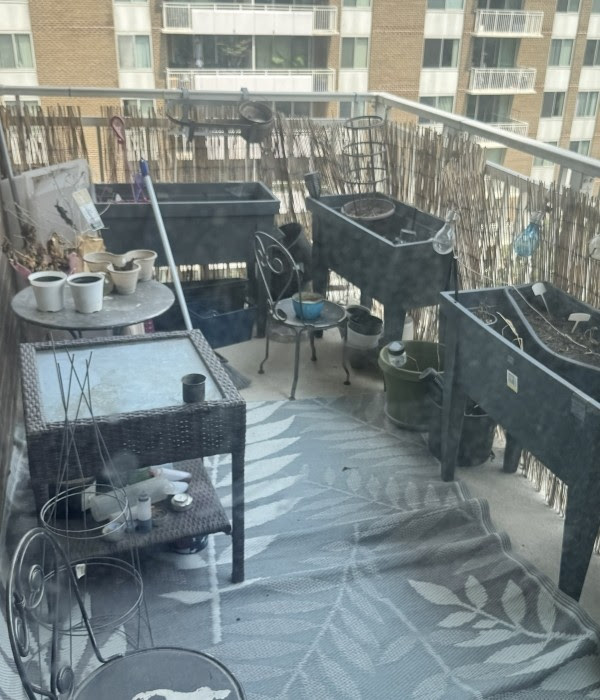
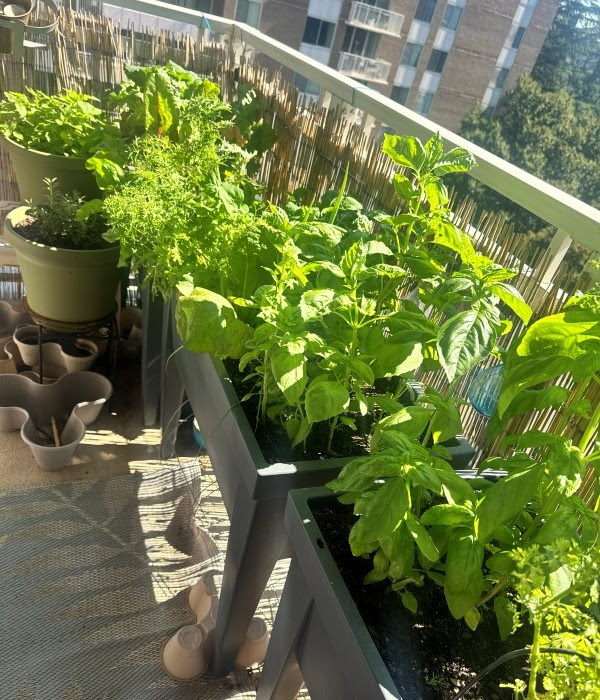
FFA launched its Gardening at Home program this summer with our first client, Belen. After struggling to grow plants on her balcony, she had given up. With personalized support from our garden specialist, that changed. Together, they selected plants suited to her partly shaded balcony and worked through watering and harvesting techniques for DC’s hot summers. Today, her garden is thriving.
The benefits go beyond gardening. Growing her own herbs and vegetables has inspired Belen to cook and eat more healthily. (She shares a favorite fall soup recipe at the end of this newsletter, featuring dill and chard from her garden.) Just as importantly, tending her plants brings her a sense of serenity. Her balcony has become a place of nourishment and wellbeing.
~Volunteer Coordinator, The Ethel
Community Outreach
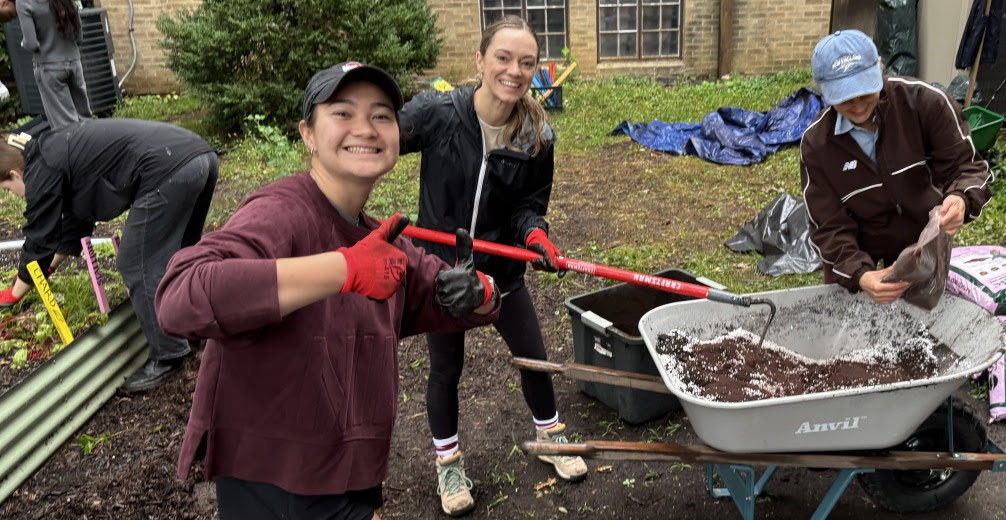
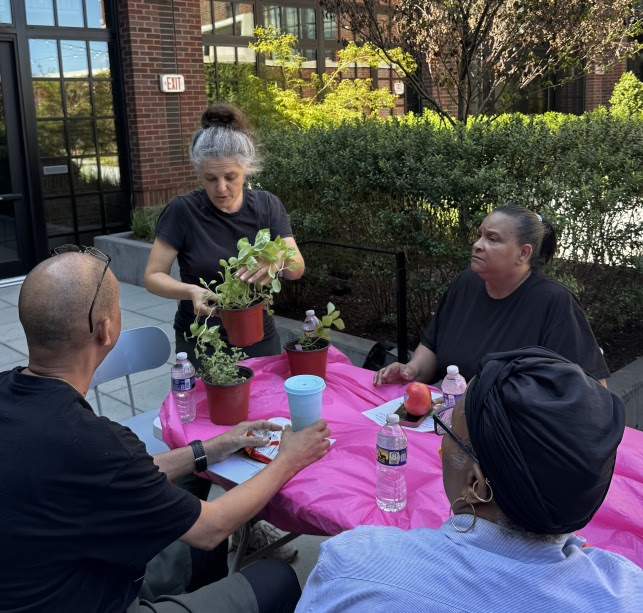
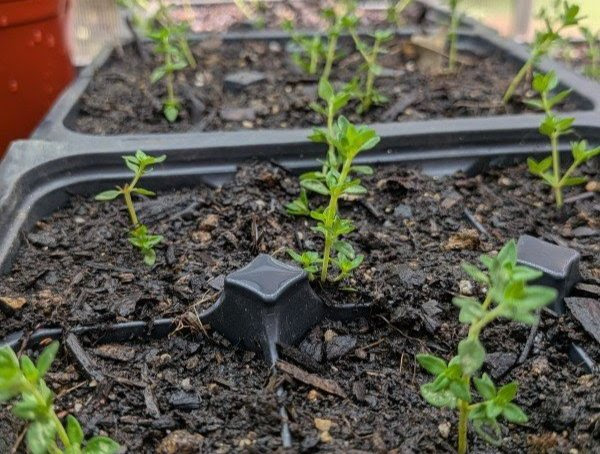
With a strong foundation now established at the FFA garden, we are expanding our gardening outreach into the community. In September, we held a gardening class at The Ethel, a permanent supportive housing community in Hill East for people exiting homelessness. Together, we transplanted seedlings grown in FFA’s greenhouse and snacked on cherry tomatoes fresh from the garden. Residents were enthusiastic about the possibility of growing plants in their own apartments.
Wellness Tip of the Month
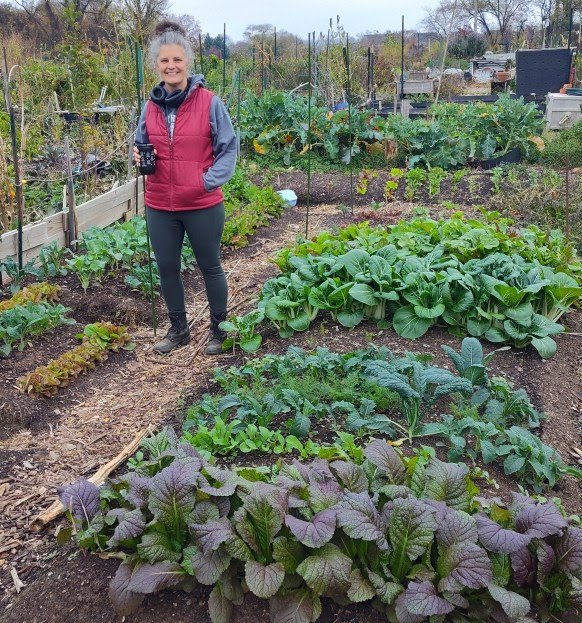
“Spending time in my garden has improved my own wellness in so many ways! Gardening forces me to slow down and notice things – I leave the garden feeling at ease. And always sleep better!
I see in clients and volunteers such a sense of accomplishment as the seeds they plant become the vegetables they recognize from the store.
I challenge everyone to spend some time in a green space this week. Do you have a nearby park or garden you can visit? Even better, meet up with a friend you haven’t seen in a while.”
-Emily, FFA’s gardener
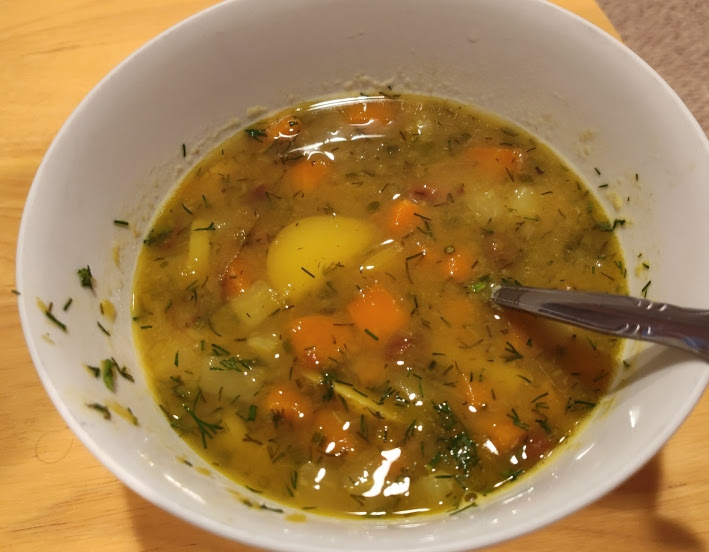
Belen’s Hearty Fall Soup (including chard and dill from her garden)
• 1 lb. ground chicken
• 2 large carrots, sliced
• 2 celery ribs, sliced
• 1 small onion, diced
• Herbs and spice mix (including dill)
• 1 can (14 oz) diced tomatoes
• 1 can (15 oz) beans, drained/rinsed
• 4 cups low-sodium chicken broth
• 1 tbsp olive oil, salt, and black pepper
• 2 cups Swiss chard, chopped
1) Heat the oil in a large pot over medium-high heat. Add the ground chicken and season with a pinch of salt and pepper. Cook for 5–6 minutes, breaking it up with a spoon, until browned and no longer pink.
2) Add the onion, carrots, and celery. Cook for 3–4 minutes, until they begin to soften.
3) Stir in the spice mix. Add the tomatoes with their juice, the beans, and the broth. Bring to a boil, then reduce the heat to medium-low. Cover and simmer for 8–10 minutes, or until the carrots are tender.
4) Stir in the greens and cook for about 1 minute, until wilted. If desired, mash a few beans against the side of the pot to thicken the broth. Taste and add more salt and pepper as needed.
Herb and spice combinations:
Add dried herbs and spices at step 1 or 2. Fresh herbs are best added at the last step or when serving. Travel around the world by experimenting with different combinations, from an Italian-inspired blend of rosemary, thyme, and sage to a French Herbes de Provence mix of basil, tarragon, fennel seed, and parsley.
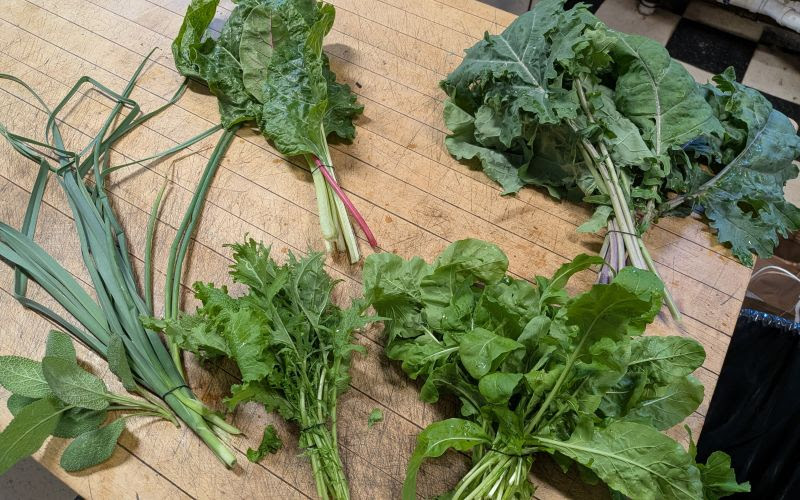
Reach out if you want to join the garden program!
We are looking for people to volunteer in the community and help raise money to expand the program.